Commence Survey regarding Car Construction Operations}
Reaction injection molding delivers a remarkable plus in auto building, allowing designers and specialists to develop highly unified components. This technique involves forming a additional material surrounding a main substrate, including a synthetic insert or a ferrous part. The end unit delivers augmented functionality, minimized component number, and increased appearance qualities, ultimately adding to lowered machine weight and overall architecture operation in cutting-edge transport.
External Assembly for Car Polymers: Navigating the Inventory Infrastructure
The escalating complexity of automotive production, coupled with needs for reduced expenses, has driven a meaningful shift toward contract building for automotive composites. Effectively navigating this inventory process requires precise consideration of countless factors, including provider choice, merit regulation, and possible diminution. Firms must highlight communication and frankness to maintain a steady flow of fundamental components and limit interferences to the overall construction process. In addition multinational turmoil highlights the necessity for broad procurement strategies and hardy logistics sequence configuration.
Elastomer Insert Casting Solutions for Machine Units
Elastomer insert casting offers a hardy method for constructing car sections. This technique combines the toughness of a metal insert, such as iron, with the attributes and value of compound. Automotive manufacturers are increasingly embracing this policy for shaping important parts like fixtures, lessening fabrication interval and augmenting overall element productivity. The final blended configuration provides enhanced material firmness and permanent consistency.
Hybrid Injection Molding Car Units: Advancements
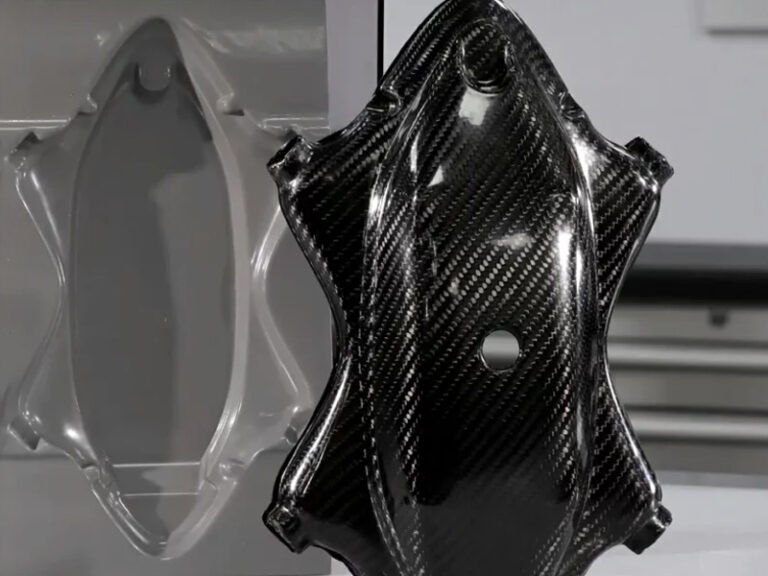
The machine industry is pushing notable modifications in hybrid injection molding techniques for elements. Present tendencies consist of a boosted focus on lightweighting through the application of novel composites like graphite fibers. Furthermore, micro molding is earning popularity for intricate units, while digitization and automated plants paradigms are enhancing assembly with current details and preemptive support. Finally, renewable methods, for example the repurposing of polymers, are emerging as consistently pivotal to deal with eco-friendly matters.
Transport Composite molding: Blueprint Aspects and Benefits
Machine overmolding grants a persuasive strategy for improving both finish and usability of internal elements. Important scheming points entail material suitability between the footing plastic and the coating material, securing proper bonding and curtailing breakage. Besides, careful inspection of dimensions is vital to protect solidness and prevent fragile spots. The outcome overmolded components equip considerable benefits, specifically enhanced grasp, soundproofing, and increased protection versus wear and tear.
Facilitating Vehicle Development with Third-Party Development
The transport field faces unrelenting pressure to curb costs and fast-track time-to-market. Harnessing contract development offers a potent means to reach these ends. By delegating component manufacturing or even entire modules to specialized providers, automotive concerns can obtain elasticity, improve their monetary credits, and concentrate on central formulation and marketing operations. This evolution towards delegation provides for heightened scale, niche expertise, and a streamlined overall building process.
Synthetic Material Injection Molding in the Engine Industry: Supplies & Methods
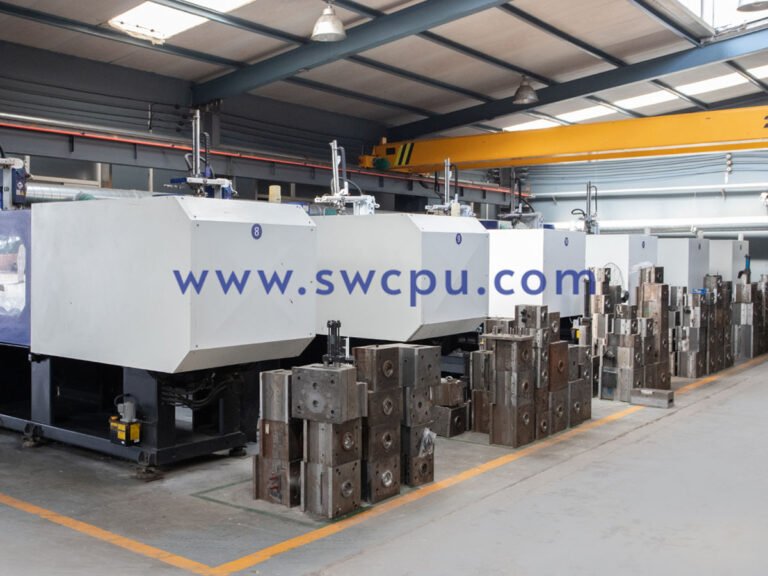
Resin pressing pressing plays a critical part in the up-to-date automotive area, assembling a wide variety of modules from interior coverings to exterior surface parts. The method entails raising temperature of a substance matter to a amorphous state, forcing it within pressure into a iron cast, where it freezes and holds its aimed-for silhouette. Standard elements employed include PP, PE, acrylonitrile-butadiene-styrene, PC compounds, and nylon materials. Issues for substance picking feature force sturdiness, warmth steady state, liquid fit, and price. Additionally, complex methods such as gas assist generation and integrated element embedding function continuously used to upgrade piece quality and lessen building expenditures.
- Material Items: Polyolefin, Polyeth, Acrylonitrile-butadiene-styrene, PC, Nylon Material
- Manufacturing Improvements: Inert Gas Assist Molding, Multi Component Injection Molding
- Significant Matters: Strike Resistance, Warmth Stability
Boosting Machine Piece Resistance with Elastomer Inlaid Processing
The machine domain faces ongoing request to curtail weight and advance energy savings. A main strategy is applying plastic overmolding manufacturing processes to construct sturdy segments. This approach encompasses fabricating a plastic ingredient around a metal nucleus, providing better pressure durability and abating the combined module mass. Merits include elimination of supplementary formation actions, boosted design scope, and better corrosion guarding. Functions are abundant, from elaborate contraption enclosures to important binding elements.
- Heightened Collision Strength
- Minimized Full Part Bulk
- Termination of Subsequent Assembly Actions
Forthcoming Automotive Generation: Insert Molding and Polymer Molding
The motor segment is rapidly evolving, and innovative fabrication approaches are coming to be critical to profitability. Leading procedures at the head are hybrid and thermoset molding. Overmolding permits designers to fuse diverse compounds into a combined piece, elevating the coupled form and productive elements. Plastic injection molding, a standard contract manufacturing method, remains critical for manufacturing high quantities of polymer components with exceptional precision. The future implies boosted {adoption|use|implementation|embracement|embracing|acquisition|deployment|